Speakers
Here is a preview of some of the speakers that will be at the symposium. Stay tuned for further announcements!
Bruce Friedrich
Good Food Institute
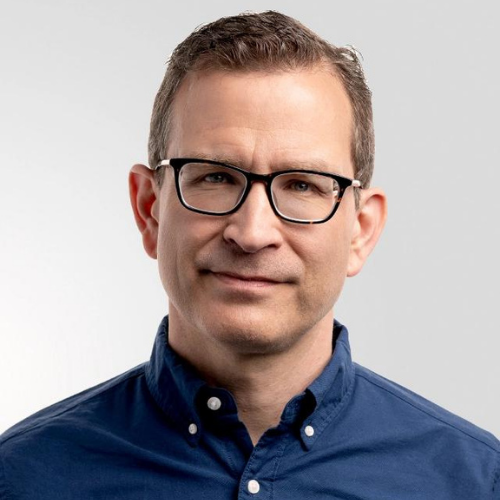
Bruce Friedrich is the President and Founder of the Good Food Institute, a global network of nonprofit science think tanks with more than 240 full-time team members that operates in the U.S., India, Israel, Brazil, and across APAC and Europe. Publishers Weekly selected Bruce's new book Meat as one of the 10 best new releases in science, writing: "This packed account makes food science feel like an urgent and essential undertaking." Nature Magazine flagged Meat as one of its five "best science picks," saying that it "has wide appeal."
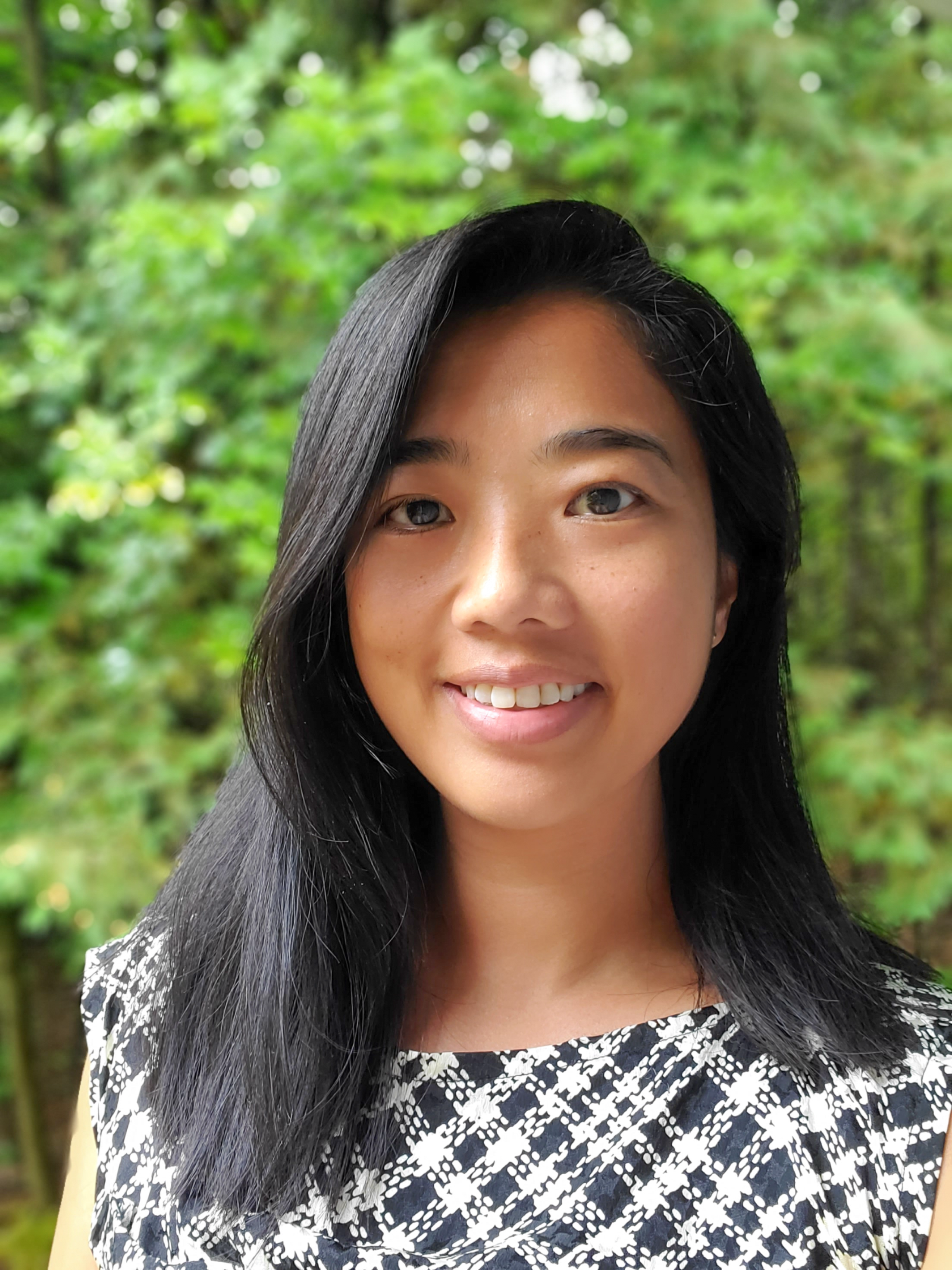
Dr. Yadira Tejeda-Saldana
New Harvest
Dr. Yadira Tejeda-Saldana has more than 10 years of experience working in the food industry, academia and non-profit sector, and currently serves as Director of Responsible Research & Innovation, Canada. At New Harvest, Yadira is eager to build a transparent, safe, and equitable cell ag ecosystem that drives positive change in our food systems. Yadira has a PhD focused on microbiological food safety research from Western University, an MSc in Food Safety from Wageningen University, and a BSc in Food Chemistry from La Salle University.
Dr. Kimberly Ong
Vireo Advisors
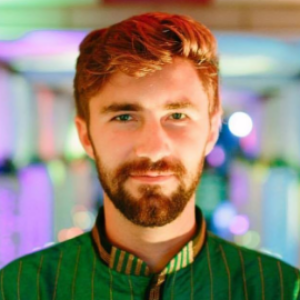
Dr. Kimberly Ong is a toxicologist at Vireo Advisors specializing in the safety and risk assessment of alternative proteins and other novel foods. She supports global regulatory submissions, develops protocols incorporating in vitro and non-animal testing approaches, and co-organizes the Cultured Meat Safety Initiative (CMSI) with New Harvest. She has co-authored key publications on cultivated meat safety and served as Vice-Chair of the 2022 FAO/WHO expert consultation on cell-based food safety.
Taylor Quinn
Tailored Food
Nutritious, delicious, affordable, plant-based food. These 4 principles guide Taylor's work across sectors and geographies as he works towards the UN Sustainable Development Goal of Zero Hunger by 2030, having worked inside UNICEF, the UN World Food Programme, JUST, Unilever, Impossible Foods, GFI, Faunalytics and others over the last 10 years. He works in Liberia, Brazil, Congo, Somalia, Canada, and the United States as he builds coalitions of local entrepreneurs, farmers, industrial manufacturers, and multilateral development institutions to design and take-to-market plant-based food products for people living in poverty. He leverages his academic background as a food anthropologist to build food systems and new routes to market, spending his days everywhere from smoky kitchens to the board rooms from where those that control the biggest actors in the food system make decisions.
Dr. Benjamin Scott
Global Institute for Food Security
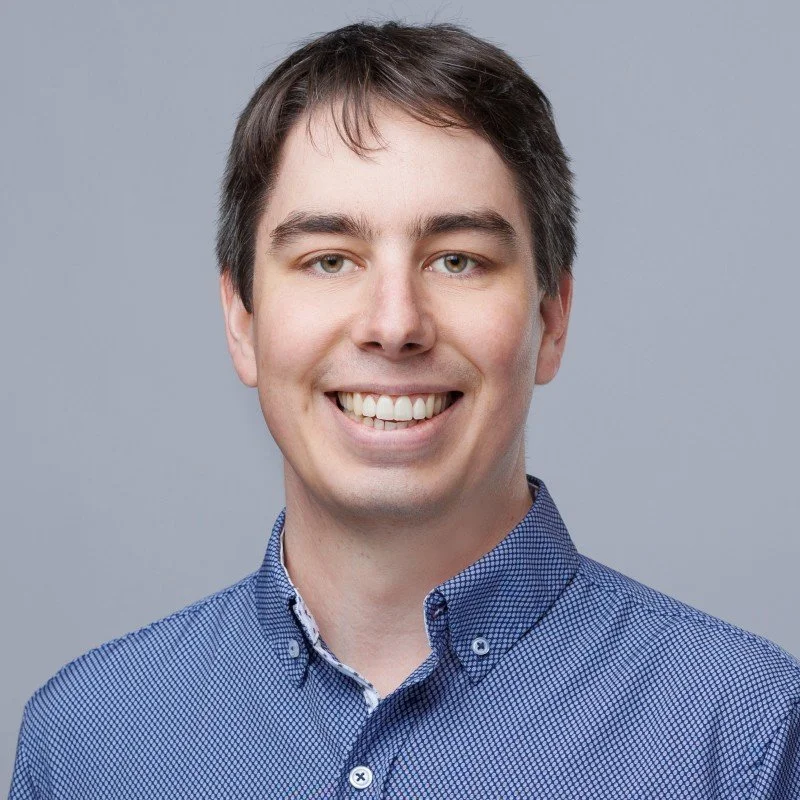
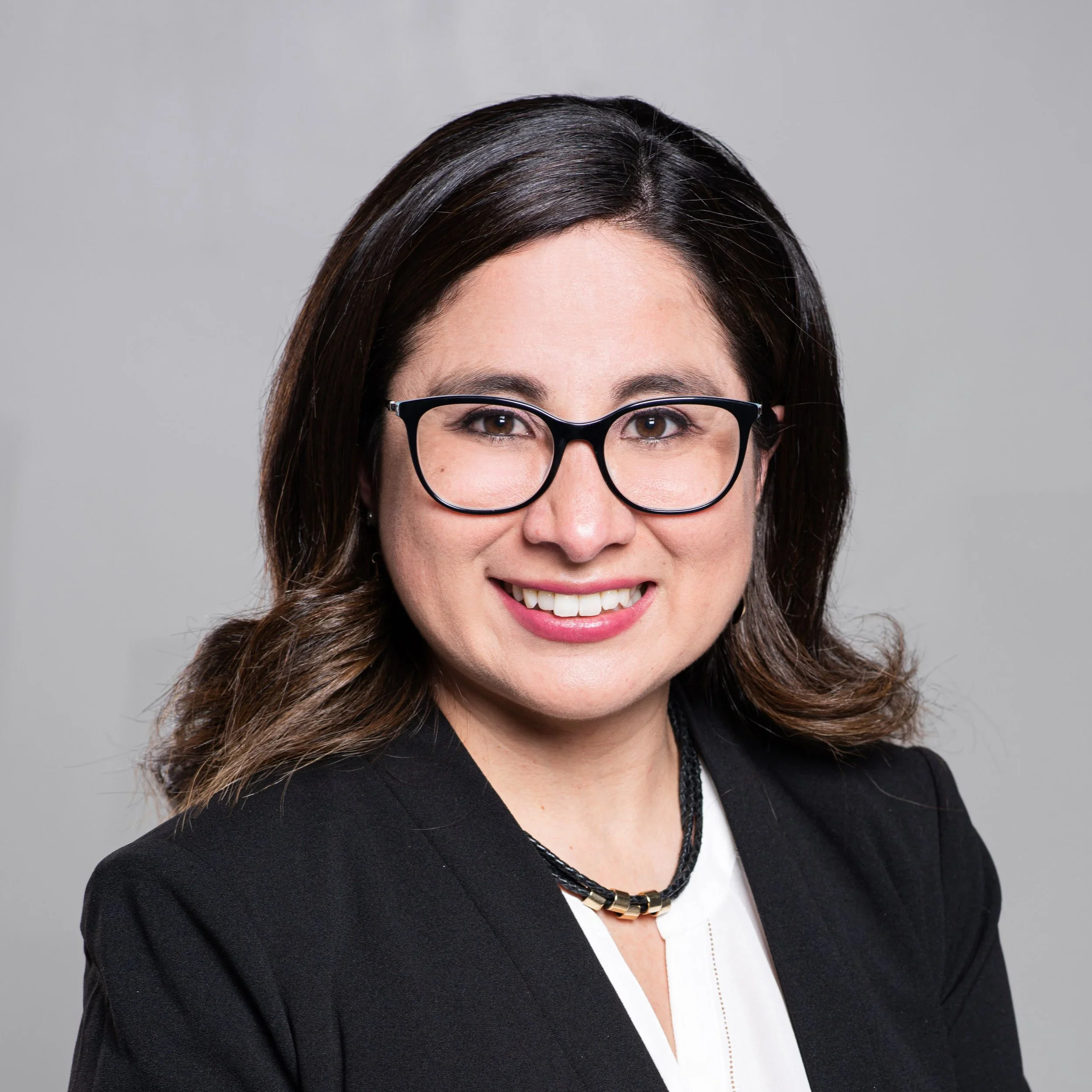
Dr. Benjamin Scott leads the Engineering Biology Platform at GIFS, a facility that combines automation and biotechnology to scale up the design and production of more nutritious and sustainable crops and food products. He also leads Automation, spanning molecular biology, microbiology, and genomics. Prior to joining GIFS, Ben completed a postdoc at the National Institute of Standards and Technology, establishing yeast engineering at their biofoundry in Marlyand. He then returned to Canada to lead business development at the Concordia University Genome Foundry, developing their first revenue generating services. Ben is also the Founder and Director of SynBio Canada, an organization working to strengthen the national research community, advocate for trainee needs, and highlight their accomplishments.
Jonas Elliot Gerson
PnuVax Biologicals
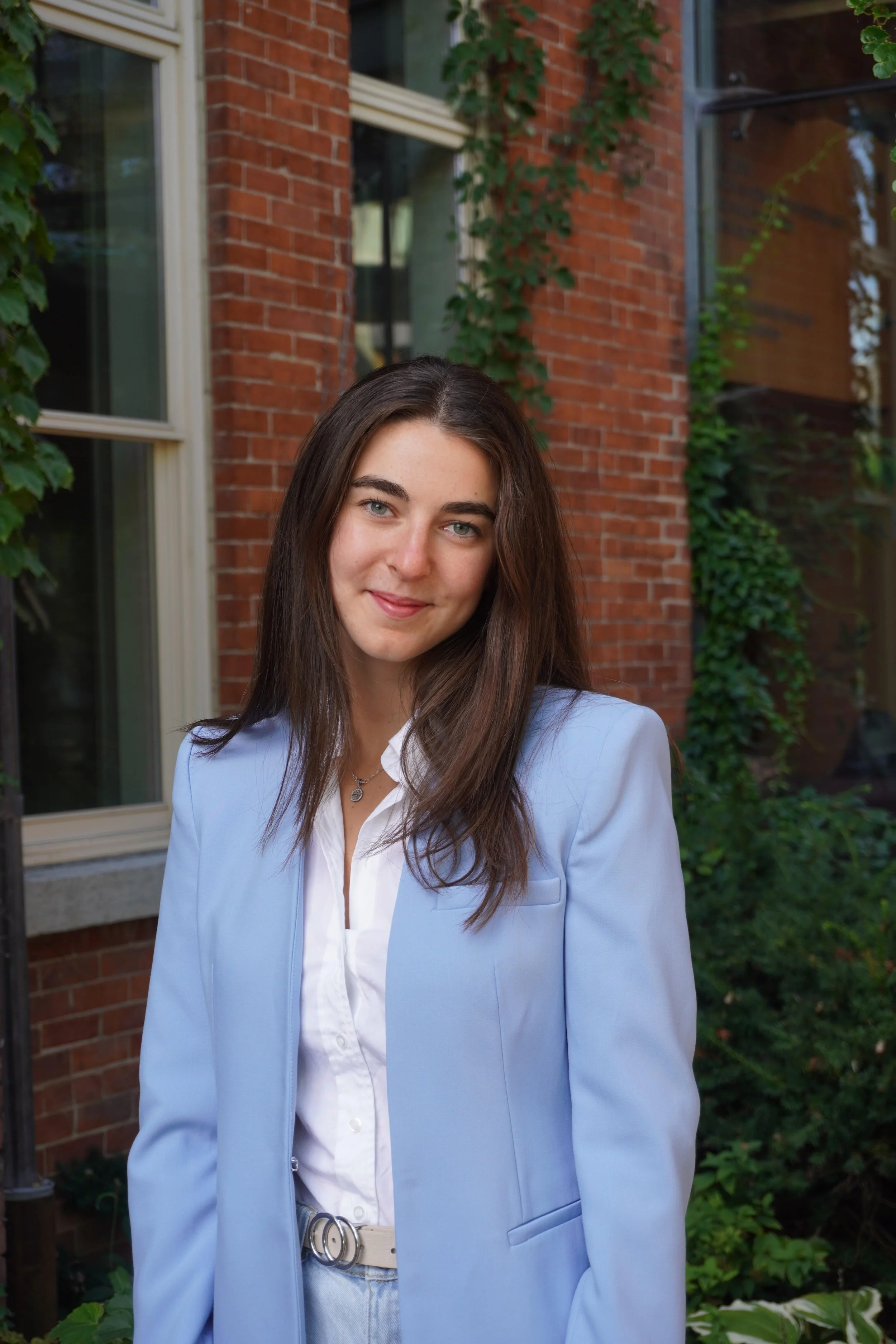
Jonas Elliott Gerson is a seasoned professional in vaccine development and biopharmaceutical production, with a focus on novel diagnostics and disruptive technologies capable of responding to emerging diseases and serving neglected populations worldwide. Gerson co-founded PnuVax in 2008 and has served as the COO and Head of Process Engineering, where he oversees a 15,000 m^2 cGMP-capable large-scale biomanufacturing facility, operations, regulatory compliance, and the development of bioprocesses for various product including novel vaccines for pneumonia and yellow fever. Gerson is now applying his experience in cell culture to the rapidly evolving field of cellular agriculture. He holds advanced degrees in Chemical Engineering with a specialization in Biochemical and Biomedical Engineering from Queen’s University.
Dr. P. Ravi Selvaganapathy
McMaster University
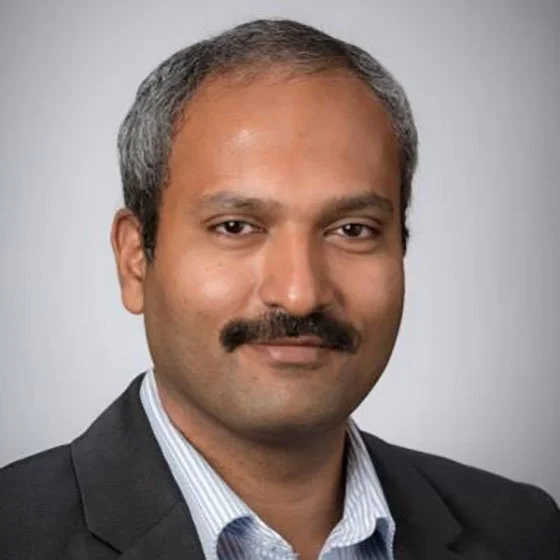
Dr. P. Ravi Selvaganapathy is a Professor of Mechanical and Biomedical Engineering at McMaster University and is the Canada Research Chair in Biomicrofluidics. He has more than 20 years of extensive experience in the micro/nano fabrication and microfluidics in the areas of medical and environmental diagnostics, drug delivery and drug discovery which has resulted in ~75 publications, in the top journals in the field. He is also the co-lead of a $10 million dollar project titled, “Omics Guided Technologies for Scalable Production of Cell-Cultivated Meat”. He completed his B.S. in chemical and electrochemical engineering from Central Electrochemical Research Institute, and his M.S and Ph.D in electrical engineering from the University of Michigan.
Dr. Tarika Vijayaraghavan
Trove Biosciences
Dr. Tarika Vijayaraghavan is the founder of Trove Biosciences, a consulting practice supporting venture funds, biomanufacturers, and early-stage technology companies operating at the intersection of biology and industry. She has assessed 70+ startups across cellular agriculture, next gen proteins and agrifood tech, providing technical and market diligence to investors and founders. Tarika is a graduate of the Venture Institute (VC Lab), where she secured two competitive residencies with Replicator VC and GrayHair Venture Partners. She is also an active contributor to the innovation ecosystem through FoodHack Toronto and Toronto Climate Week, where she connects founders, investors, and industry stakeholders across the bioeconomy.
Dr. Rebecca Miller
Dr. Rebecca Miller has worked at the forefront of plant based meat innovation for nearly 9 years. She spent 5+ years at Beyond Meat, where as a Senior Scientist she built out and managed the laboratory for Beyond Meat’s joint venture with PepsiCo, and developed products from concept to pilot scale. Most recently, she was Lead Scientist at New School Foods, a Toronto based startup creating raw whole-cuts of meat directly from plants using proprietary and scalable fiber-forming technology, where she applied a combination of biochemistry and materials science to create authentic meat textures and flavors using sustainable ingredients. She received a PhD in biophysics from the Scripps Research Institute, and a double major in Physics and Biology from Rhodes College.
Dr. Guneet Kaur
University of Guelph
Dr. Guneet Kaur is an Assistant Professor of Biological Engineering, and Director of the Canada India Research Centre for Learning and Engagement (CIRCLE) at the College of Engineering, University of Guelph, Canada. She is the Principal Investigator of the Bioreaction Engineering Lab which focusses on precision fermentation, bioreactor design, microbial biosystems engineering, bioprocess modelling and simulation, and in-situ product recovery to design efficient bioprocesses for novel materials, foods, and chemicals. The central idea of her lab is sustainability – technical, economic, social, and environmental – and Dr. Kaur uses her international academic training and work experience in Canada, Hong Kong, Europe, and India, to redefine and engineer sustainability for addressing some of the most pressing global challenges, including food security and nutrition. Dr. Kaur will discuss how precision fermentation platforms can be engineered for high-yield, scalable production of mycoproteins to support sustainable alternative protein manufacturing.
Sophie Meslin
MaRS Discovery District
Sophie is an Associate on the Climate team at MaRS Discovery District, where she works across a variety of projects that advance climate innovation and investment. She supports the design and implementation of the "Food & AgTech Mission from MaRS", a national venture accelerator program supporting climate tech startups developing solutions for a more sustainable and competitive, agri-food system. Before joining MaRS, Sophie was a venture capital analyst assisting climate ventures at BDC Capital and developed sustainability strategies for large corporations at SLR Consulting. She holds a Bachelor of Commerce from Queen’s University.
Dr. Stanislav Sokolenko
Dalhousie University
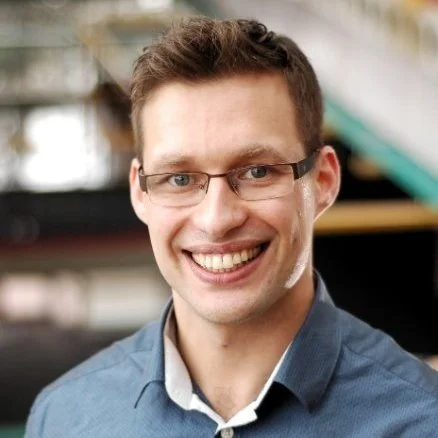
Dr. Stanislav Sokolenko is an Associate Professor in the Department of Process Engineering and Applied Science at Dalhousie University. His research integrates programming, statistics, and bioprocess engineering, with applications ranging from cell culture media optimization to lipidomic studies of muscular dystrophy and proteomic analysis of exosomes in the context of skin health. The detailed multi-omic characterization of hydrolysates synthesizes his lab’s expertise in omics analysis and bioprocess optimization. Building on preliminary work in NMR metabolomics and AI-based peptide bioactivity prediction, Dr. Sokolenko's lab aims to lower the cost and environmental footprint of cultivated meat through the rational application of hydrolysates in media formulation.